From foam trainers to balsa warbirds, we test the best airframes available to British pilots.
A New Era for British Fixed-Wing Flight
The United Kingdom’s RC aircraft landscape in 2026 represents a fascinating crossroads where tradition and modernity meet in a way that has never been more accessible, powerful or technically intricate. For pilots returning after a long absence, particularly those in the 55–70 demographic who fondly remember spending winter evenings sanding balsa ribs or adjusting the needle valve on a worn OS or Irvine glow engine, the contemporary market can initially feel almost unrecognisable. Electric power, SAFE-style stabilisation, integrated telemetry and foam-based airframes dominate retail shelves, and the idea of programming a radio before the maiden flight may appear counterintuitive compared to the predictable charm of 35 MHz and glow fuel. Yet beneath this layer of technological advancement lies an environment richer in choice, reliability and flight performance than at any point in the hobby’s history.
Simultaneously, the modern UK flyer who approaches the scene through engineering, open-source radios or the performance-first ethos cultivated by YouTube pilots and global forums expects far more than “plug and play.” Pilots like Simon, the archetypal technical enthusiast, demand configurability, open standards, ELRS receivers, direct-drive power systems and models that respond immediately and precisely when asked to perform knife-edge passes, inverted harriers or punch-out climbs. For these fliers, the RC plane market of 2026 is a treasure trove of components, upgrades and airframes that make experimentation both achievable and remarkably rewarding on British fields and club strips.
The backdrop to all of this is the evolving CAA environment, where Remote ID, class marking and clearly defined Operator/Flyer responsibilities shape how UK pilots engage with the skies. Although this regulatory layer may initially appear intimidating to returning pilots like Retro Gary, especially those with memories of open fields and minimal paperwork, the landscape is now stable and well-supported by national model associations. The rules are manageable, predictable and rarely intrusive when flying in recognised club environments. What they do provide, however, is a framework ensuring that RC flying continues safely and responsibly, enabling both nostalgia-driven returnees and technically driven intermediates to enjoy their time in the air with confidence.
Against this rich and varied backdrop, this pillar page serves as the definitive 2026 guide to the UK’s best RC aircraft categories. Whether you prefer elegant gliders, rugged trainers, nostalgic balsa warbirds or adrenaline-focused EDF jets, this guide explores the standout airframes in each class, explains why they excel and outlines which pilot profile each aircraft best suits. It bridges the gap between traditional craftsmanship and modern plug-and-play convenience, between ready-to-fly simplicity and open-source experimentation. The objective is straightforward: to help every UK pilot build the ultimate 2026 hangar with aircraft that deliver maximum enjoyment, minimum stress, and long-term performance on the field.
Trainers (High-Wing)
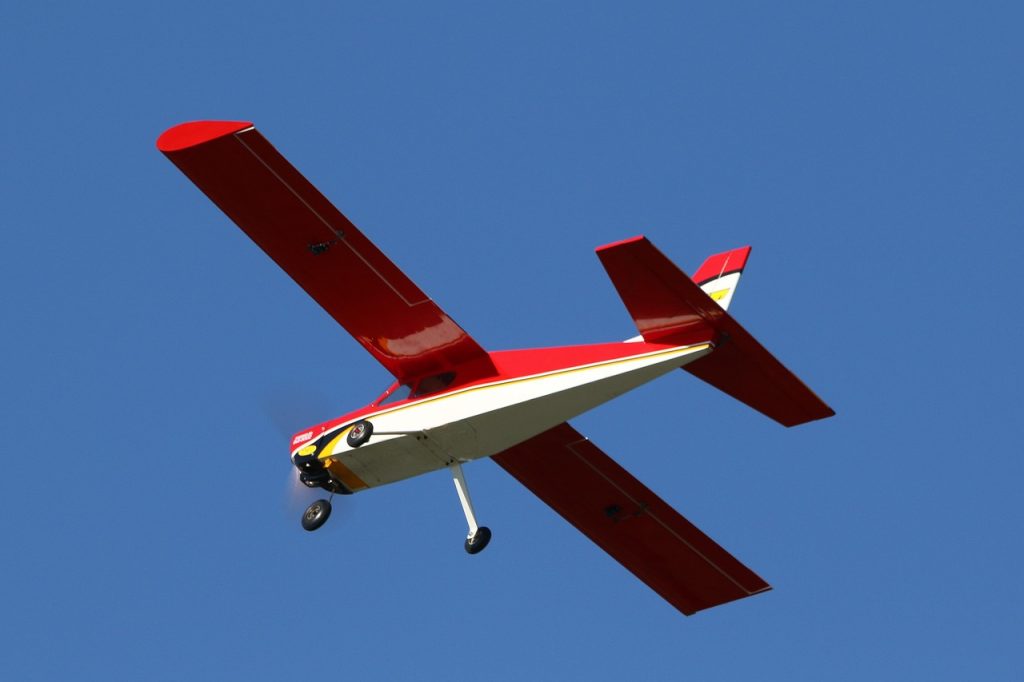
Why Trainers Still Matter in 2026
For pilots returning to the hobby after decades away, especially those accustomed to balsa trainers with tricycle gear and glow engines, today’s foam trainers may initially appear “toy-like.” Yet modern EPO and EPP foams, combined with brushless outrunners and electronic stability systems, make contemporary trainers incomparably more durable, more predictable and easier to handle than any entry-level aircraft of the 1980s or 1990s. A 2026 trainer flown on a modern radio can withstand multiple hard landings, shrug off nose-overs and deliver long flight times with minimal maintenance. These aircraft remove many traditional pain points—fuel tuning, vibration, failed servos—and replace them with reliable, clean operation ideal for both beginners and returning flyers.
Best Beginner Trainers of 2026
A standout trainer excels not just because of its airframe shape but because of what it offers emotionally and practically to the pilot. For Retro Gary, an exceptional trainer provides reassurance, excellent visibility, soft stall characteristics and the ability to progress steadily from assisted to full manual flight. For Simon, a great trainer is something that can be flown in almost any conditions, used as a test platform for new receivers or sensors, and deployed at short notice for a spontaneous flying session without hours of preparation.
In 2026, the leading foam trainers typically integrate stabilisation modes that prevent accidental over-control, allow for safe emergency recovery and provide a clear path to learning. Additionally, their modern power systems require less field support than legacy glow engines and reduce the operational load on the pilot, freeing them to focus on core flight skills. The result is a training environment markedly more forgiving and confidence-building than the systems of the past.
Section 2: Warbirds
Warbird Appeal in the Modern Era
Warbirds hold a unique emotional position in the UK modelling community because they combine classic aviation heritage with the aesthetic charm that pilots like Retro Gary remember from their youth. The appeal of scale Spitfires, Mustangs, Hurricanes or Corsairs is timeless, yet the 2026 market introduces new refinements: reinforced foam, split flaps, electronic retracts, powerful brushless motors and optional gyro-assisted stability. These features make warbirds easier to fly, more robust and more capable than ever before.
However, warbirds remain intermediate aircraft, particularly for those who have been out of the hobby for years. Their higher wing loading, narrow undercarriage and greater stall sensitivity demand structured progression. But when flown correctly, they deliver a sense of reward unmatched by other categories. For Simon, these models offer a platform for speed upgrades, telemetry experimentation or brushless power system tuning, while Gary enjoys the nostalgia and the unmistakable silhouette of a WWII fighter carving the sky.
Best Warbirds of 2026
A top-tier warbird in the 2026 UK market combines visual scale detail with flight performance that supports both relaxed circuits and spirited manoeuvres. Traditionalists may gravitate toward balsa or composite models, while convenience-oriented flyers may appreciate modern moulded foam warbirds requiring minimal assembly. Across the board, the best 2026 warbirds deliver reliable retracts, predictable stall behaviour for the category and resilient airframes that withstand grass-strip operations common at UK club fields.
Section 3: EDF Jets
The Rise of EDF Jets in UK Airfields
EDF jets have transformed dramatically over the last decade. Where early models lacked thrust, duration and reliability, the 2026 EDF market offers stunningly efficient 64 mm, 70 mm, 80 mm and 90 mm platforms capable of impressive acceleration, realistic turbine-like sound, and high-speed passes exceeding anything foam warbirds can achieve. For the technically minded pilot like Simon, the combination of high RPM fans, programmable ESCs, retracts and optional thrust vectoring offers an engineering playground. EDFs also provide a high-adrenaline experience that is mechanically simpler and more consistent than nitro-powered ducted fans of earlier eras.
For returning pilots, EDF jets can initially feel intimidating, but the 2026 generation provides surprising stability. Digital gyros, modern wing profiles and high-thrust brushless systems create jets that track straighter and handle more predictably than their predecessors. EDFs are not beginner aircraft, but they can be the next logical step once a pilot is comfortable with trainers and sport planes.
Top EDF Jets of 2026
The best EDF jets this year strike a balance between speed, structural integrity and field practicality. UK flying sites often demand moderate take-off distances and grass capability, making robust landing gear essential. The leading jets in this category typically include reinforced retract mounts, metal trunnions, well-balanced fans and high-C batteries that support sustained high power without voltage sag. These features distinguish serious EDF aircraft from simpler toy-grade offerings and ensure consistent performance across UK weather conditions.
Section 4: Gliders & Sailplanes
Silent Flight and British Skies
Gliding has always been a core component of the UK flying scene due to its suitability for the country’s varied landscapes, from coastal slopes to inland thermals. Modern 2026 gliders and electric sailplanes combine lightweight composite fuselages, efficient brushless outrunners and folding props that allow pilots to ascend cleanly before transitioning to pure soaring. For returning pilots, gliders recapture the relaxed, meditative quality of traditional free-flight models while adding modern convenience. For Simon, high-performance gliders offer telemetry integration, differential programming experiments and long-duration flights that allow complex testing of control mixes and power efficiencies.
Best Gliders for Beginners
Beginner gliders in 2026 prioritise predictable handling, structural simplicity and gentle stall behaviour. These models are typically constructed from resilient foam that tolerates rough landings and mid-field touchdowns. A good beginner glider should be easy to launch, easy to trim and capable of extended flight times even in weak lift. Their understated beauty and unhurried flight profile appeal to both personas—Gary, who appreciates the gentle rhythm, and Simon, who enjoys optimising glide efficiency through subtle adjustments.
Section 5: 3D / Aerobatic Planes
Precision Flight for the Technical Pilot
The 3D and aerobatic category has grown exponentially in the UK due to advances in lightweight construction, high-torque servos and powerful brushless motors capable of delivering extreme thrust-to-weight ratios. These aircraft suit pilots who want to push their skills and explore the outer edges of what a fixed-wing platform can do. Simon finds this space especially compelling due to the engineering behind thrust vectoring, airframe reinforcement and gyro-assisted performance modes.
For returning flyers, 3D planes are more challenging but not inaccessible. Many modern aerobats offer low-rate settings that allow conventional pattern-style flying, making them versatile for both progression and experienced pilots. They also provide an effective platform for learning advanced control management without the speed demands of EDF jets or the stall sensitivity of warbirds.
Top 3D Planes of 2026
The best 3D aircraft this year feature rigid airframes, oversized control surfaces, smooth power delivery and high-end servos. Weight distribution is carefully optimised to achieve neutral handling in all attitudes, while construction methods, whether EPP foam or lightweight balsa, allow for both durability and precision. The key quality of any top-tier 3D platform is the ability to maintain control authority even in high angles of attack or hovering configurations.
Section 6: Scale Aircraft
Celebrating Realism in Miniature
Scale aircraft remain one of the most rewarding sectors of the hobby, resonating strongly with UK pilots who appreciate the historical, mechanical and aesthetic detail of full-size aviation. For returning flyers, scale aircraft rekindle memories of earlier modelling generations when realism was achieved painstakingly through balsa sheeting, glass cloth and meticulous painting. Modern 2026 scale aircraft maintain this craftsmanship while offering far easier build processes, more reliable power systems and advanced electronic options for lighting, sound and retracts.
For technically oriented pilots, scale aircraft are an appealing challenge because they require careful power matching, CG sensitivity, servo setup and airframe calibration. Achieving a truly realistic flight envelope demands understanding aerodynamic behaviours such as tip stalling, flap deployment effects, and torque responses under throttle.
Section 7: FPV Fixed-Wing
The Blend of Traditional Flight and First-Person Technology
Fixed-wing FPV has become increasingly popular, particularly among pilots like Simon who enjoy integrating open-source electronics, flight controllers and long-range protocols. Unlike stabilised multirotor drones, FPV fixed-wing flight demands a blend of aeronautical understanding and electronic know-how, appealing to technically confident flyers who want the experience of flying with a cockpit view while maintaining manual skill. These aircraft often incorporate ELRS receivers, GPS modules, OSD systems and efficient pusher or tractor configurations.
For returning pilots, FPV can be initially disorienting, but straightforward assisted modes and stable airframes make entry manageable. FPV fixed-wing platforms in 2026 offer extended range, excellent flight times and durable airframes built to withstand off-field landings while maintaining structural integrity.
Section 8: Micro & Indoor Flyers
Flying in Tight UK Spaces
Micro flyers retain a special place in the UK’s RC scene because they allow year-round practice regardless of weather. With British winters and unpredictable winds, indoor models are indispensable for maintaining stick proficiency. For returning pilots, micro aircraft offer a low-risk way to rebuild confidence without committing to high-speed or large-span outdoor models. For technically inclined pilots, micro models are excellent test beds for new receivers, firmware updates and quick experimental builds.
Best Micro Planes of 2026
The leading micro aircraft in 2026 balance low weight, crash-resistance, predictable handling and compatibility with both beginner and advanced radio systems. Their design often incorporates flexible foam, simple gear trains and accessible battery compartments. In small village halls, sports centres and club indoor meets, these aircraft deliver endless opportunities to practice coordination, orientation and controlled manoeuvres.
Section 9: Balsa Kits (Traditional)
The Return of Traditional Building
The renaissance of balsa kit building in the UK is driven largely by pilots like Retro Gary who miss the satisfaction of gluing, pinning and covering a hand-built airframe. Modern kits combine computer-cut components, high-quality balsa and precise fittings that streamline the building process compared to older kits. Yet the fundamental craft—woodwork, sanding, sheeting and covering—remains unchanged. These models offer unmatched beauty, longevity and repairability, making them deeply satisfying projects for winter months.
Top Balsa Build Kits of 2026
The best 2026 balsa kits demonstrate strong aerodynamic design, detailed build instructions, availability of spares and compatibility with modern brushless power systems. They should appeal equally to those building for nostalgia and those seeking performance, with structures designed to accept electric conversions and modern battery configurations. Many manufacturers now offer optional laser-cut accessory packs or electric-motor mounting kits, giving the builder greater flexibility.
Section 10: Foam ARTF / PNP Models (EPO / EPP)
The Modern Standard for Convenience
Foam ARTF and PNP aircraft dominate the mainstream UK market due to their durability, accessible cost and unprecedented ease of assembly. For returning flyers, this removes much of the historical barrier to entry that once required weeks of building. For technical flyers, these foam models act as consistent, modifiable platforms for experimentation and upgrades.
Top Foam Models of 2026
Leading foam aircraft this year feature reinforced spars, precise moulding, efficient power systems and reliable electronics. Their robustness makes them ideal everyday flyers capable of handling the UK environment, including grass runways, coastal winds and variable temperatures. Combined with fast assembly and minimal setup, they form the backbone of most UK hangars.
Conclusion: Building Your Ultimate 2026 UK Hangar
Constructing the ideal hangar for 2026 depends on understanding your goals, skills and flying environment. Returning pilots gain security, clarity and enjoyment from trainers, gliders, balsa warbirds and forgiving foam models. Technically inclined pilots thrive with EDF jets, FPV platforms, 3D aerobats and open-source radio ecosystems. Despite their differences, both groups benefit from a UK market that has never been more accessible, reliable or thrilling.